History & Cultural Significance of Uluwatu Temple
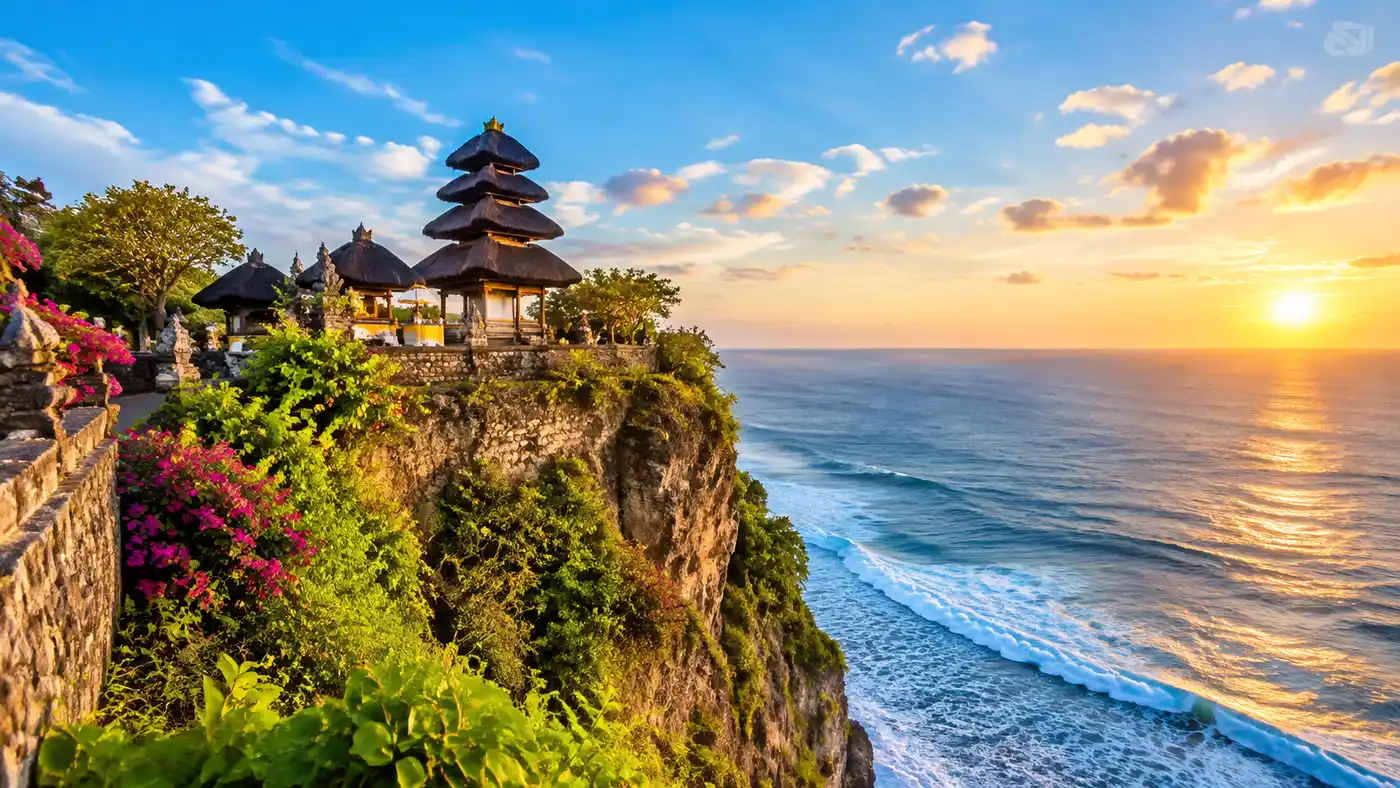
Bali, an island steeped in spiritual devotion, offers countless temples, but few command the same awe as Pura Luhur Uluwatu. Perched dramatically on a sheer cliff face, 70 meters above the crashing Indian Ocean, its presence is simply breathtaking. Exploring the intricate uluwatu temple history reveals layers of ancient spiritual practice, architectural ingenuity, and enduring cultural reverence.
This isn't just a pretty postcard spot, though it certainly qualifies. It's a place where the past whispers from every stone, where the roar of the waves seems to echo centuries of prayer. We'll delve into when this magnificent temple was built, the legendary figures who shaped its destiny, and the rich tapestry of beliefs that continue to make it a vibrant center of Balinese Hinduism. Prepare to uncover the deep spiritual roots and fascinating narratives behind one of Bali's most iconic landmarks.
Book your uluwatu temple experience:
The Ancient Origins of Pura Luhur Uluwatu
The story of Uluwatu Temple, or Pura Luhur Uluwatu as it’s properly known, stretches back a long way. Historians and archaeologists generally agree that the site itself, likely a sacred place for much longer, saw its first significant temple structure emerge around the 10th or 11th century. This makes you wonder, how old is Uluwatu Temple really? The initial construction is often attributed to a Javanese sage named Empu Kuturan. He is credited with establishing many of the foundational principles of Balinese Hinduism and introducing the four-caste system to the island.
Imagine the effort involved in building anything here, let alone a grand temple, over a thousand years ago. The sheer cliff, the ocean winds, the lack of modern tools – it’s mind-boggling. This initial structure, while perhaps not as extensive as what we see today, definitely laid the groundwork for the temple’s enduring spiritual power. It was built as one of the Sad Kahyangan Jagat, the six most sacred temples in Bali, meant to protect the island from evil spirits. That’s a pretty significant responsibility, if you ask me.
The name itself gives a clue to its location and significance. "Ulu" means the "tip" or "end," and "Watu" means "rock" or "stone." So, it's literally "the temple at the tip of the rock," which perfectly describes its incredible perch on the Bukit Peninsula. This strategic, almost defiant position against the elements, I think, speaks volumes about the spiritual fortitude of its early builders.
Dang Hyang Dwijendra and the Temple's Expansion
While Empu Kuturan certainly started things, the temple as we largely recognize it today owes much to another influential figure, a Brahmin priest from Majapahit, East Java, named Dang Hyang Dwijendra. He arrived in Bali in the 15th century, sometime around the 1480s, and spent his life spreading Hinduism and establishing new temples across the island. He's also known by the name Pedanda Shakti Wawu Rauh.
This revered sage is central to the uluwatu temple story. It is believed that during his spiritual journey across Bali, he eventually chose Uluwatu as his final resting place, or rather, the place where he achieved moksha, spiritual liberation. Legend says he attained nirvana here, transforming into a single ray of light and disappearing into the heavens. This event elevated the temple's status even further, cementing its reputation as an incredibly potent and sacred site for spiritual enlightenment. The temple really became a major pilgrimage spot after his passing.
His contributions weren't just spiritual; he's believed to have significantly expanded the temple complex, adding chapels and reinforcing structures. The existing `peninggalan sejarah uluwatu temple` is a testament to the continuous devotion of generations, with each era adding to its grandeur and spiritual resonance. Honestly, without Dwijendra, the temple's legend wouldn't be quite as profound.
Pro tip: If you're keen on soaking in the spiritual atmosphere and really understanding the history, try to visit during a temple ceremony. These are usually announced locally, so check with your guesthouse or a local guide. The temple is especially vibrant then, full of offerings and prayers. You can find more practical details about visiting, like what to wear, in our article about Uluwatu Temple Tickets, Hours & Dress Code.
Architectural Design and Sacred Symbolism
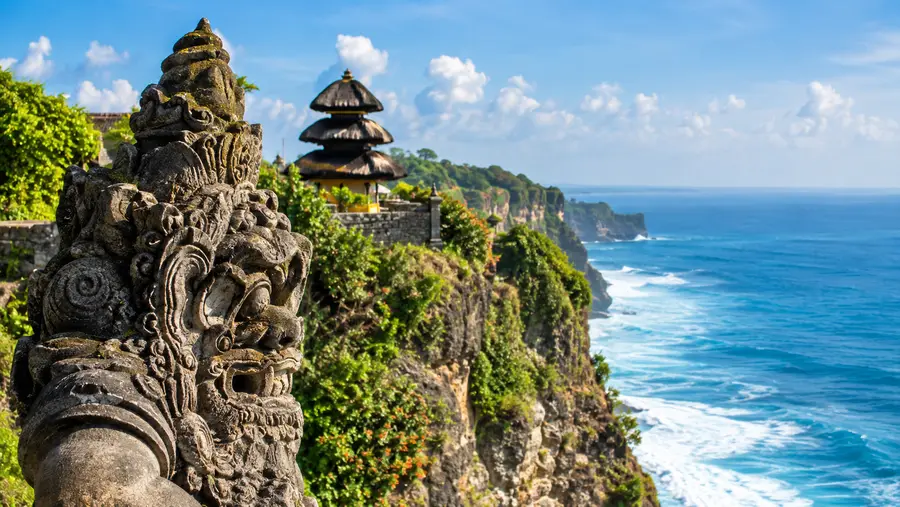
The physical structure of Uluwatu Temple is a marvel, especially considering its age and location. The main shrine sits on the highest point of the cliff, facing west, which is traditionally associated with the deity Rudra, one of the manifestations of Shiva. The temple complex itself isn't huge, but it feels incredibly expansive because of the dramatic ocean backdrop. You walk along a path that follows the cliff edge, offering these absolutely insane panoramic views.
The temple is built predominantly from black coral rock, which gives it a distinct, ancient feel. As you approach, you'll see a series of gates and courtyards, each leading to a more sacred inner sanctum. The split gate, or candi bentar, at the entrance, is a classic Balinese architectural element, symbolizing the duality of life. Further inside, there’s a paduraksa gate with a towering roof, marking the entrance to the holiest area. The `uluwatu temple stairs` are quite numerous, leading you up and down various levels of the complex, making for a bit of a workout.
Inside, if you manage to get a glimpse, you'll find various shrines and `uluwatu temple statues` dedicated to different deities and ancestral spirits. The inner sanctum, typically reserved for worshippers, houses the main shrine to Rudra. The whole design is a deliberate journey from the profane to the sacred, with each step bringing you closer to the divine. The `uluwatu temple height` above the ocean really amplifies this feeling of ascending to a higher spiritual plane.
Note: While the temple complex is beautiful, be very mindful of the resident macaques. These monkeys are notorious for snatching sunglasses, hats, and even phones. Keep all valuables secured and out of sight. They are part of the temple's natural ecosystem, but they are wild animals.
Book your uluwatu temple experience:
Living Traditions and Ceremonial Life at Uluwatu Temple
Uluwatu is not a museum; it's a living, breathing place of worship. The `uluwatu temple ceremony` schedule is dictated by the Balinese calendar, a 210-day cycle. The main anniversary celebration, or 'odalan,' is a spectacular event, drawing thousands of devotees from across Bali. During these ceremonies, the air fills with the scent of incense, the sounds of gamelan music, and the sight of elaborate offerings carried by women in traditional dress.
For the Balinese, this temple is one of the island’s spiritual pillars. It’s part of the Sad Kahyangan, the six directional temples believed to provide spiritual balance to Bali. The `uluwatu temple hindu bali` practices here are deeply rooted in their unique blend of Hinduism, animism, and ancestor worship. People come to pray for protection, for blessings, and to connect with the divine energy of the place. It’s a powerful experience to witness, even as an observer.
The famous Kecak dance, often performed at sunset just outside the temple grounds, isn't strictly part of the temple's ancient rituals, but it has become inextricably linked with the Uluwatu experience. It tells the story of the Ramayana, and its dramatic chanting against the backdrop of the setting sun and the temple silhouette is something truly special. If you're planning a visit, definitely consider staying for the show. You can learn more about it on our Uluwatu Temple Kecak Dance & Fire Show page.
Myths, Legends, and the Uluwatu Temple Story
Every ancient site has its share of legends, and Uluwatu Temple is no exception. Beyond the historical accounts of its construction and expansion, there are many colorful tales that add to the temple's mystique and `keunikan uluwatu temple`. One popular `uluwatu temple legend story` involves the idea of a `uluwatu temple curse`. It's said that couples who visit the temple together before marriage are doomed to separate or divorce. I've heard this from many locals, and it's quite a common belief. I think it might be a fun way for parents to discourage premarital adventures, honestly, but it’s a deeply held superstition for some.
Another fascinating aspect is the idea of `uluwatu temple heavens gate`. While there isn't a specific gate with this name, the spiritual significance of the temple as a place of moksha, where Dang Hyang Dwijendra ascended, gives it this ethereal quality. Many believe the energy here is exceptionally potent for spiritual transformation. The dramatic cliff edge views certainly contribute to that feeling of being on the precipice between worlds.
The various `uluwatu temple statues` scattered throughout the grounds also have their own stories, often depicting mythical figures or guardians. These aren't just decorative; they serve as protectors and embodiments of spiritual forces. The entire complex is a narrative in stone, telling tales of gods, sages, and the enduring human quest for spiritual connection. If you want to know more about the full uluwatu temple history, this site is a great resource.
| Figure | Approximate Period | Contribution |
|---|---|---|
| Empu Kuturan | 10th-11th Century | Credited with initial temple construction and Balinese Hindu foundations. |
| Dang Hyang Dwijendra | 15th Century | Expanded the temple; achieved moksha here, increasing its spiritual significance. |
Frequently Asked Questions about uluwatu temple history
When was Uluwatu Temple built?
The initial structure of Uluwatu Temple is believed to have been established around the 10th or 11th century by Empu Kuturan, with significant expansion occurring in the 15th century by Dang Hyang Dwijendra.
What is the legend of Uluwatu Temple?
The main legend revolves around Dang Hyang Dwijendra, a revered sage who is said to have achieved spiritual liberation (moksha) at this site, transforming into light and ascending to heaven. There's also the popular belief that unmarried couples who visit will eventually separate.
Who built Uluwatu Temple?
Empu Kuturan, a Javanese sage, is credited with the initial construction in the 10th-11th century. Later, in the 15th century, Dang Hyang Dwijendra significantly expanded and enhanced the temple complex.
Quick Reference
- Initial Construction: 10th-11th Century
- Key Sage: Dang Hyang Dwijendra (15th Century)
- Deity: Rudra (a manifestation of Shiva)
- Location: 70m cliff, Bukit Peninsula
- Cultural Status: One of Bali's six Sad Kahyangan Jagat temples
Book your uluwatu temple experience:
My Take on Uluwatu's Enduring Legacy
Visiting Uluwatu Temple is more than just ticking off a landmark; it’s an immersion into centuries of Balinese spiritual devotion and a deep connection to the island’s past. From the ancient stones laid by Empu Kuturan to the legends surrounding Dang Hyang Dwijendra’s ascension, every corner of this cliff-top sanctuary tells a compelling story. The dramatic setting, the sacred rituals still performed today, and even the cheeky monkeys contribute to an atmosphere unlike any other. It’s a place that demands respect, but also offers incredible rewards for those willing to look beyond the surface. Don’t just go for the sunset; go for the history, the spirituality, and the sheer wonder of it all.
Read more about uluwatu temple.